
Dealing with a gradual yellowing that's crept up on you? Dentist Open Now finds a Payette, ID specialist who handles this specific case regularly and has room to see you.
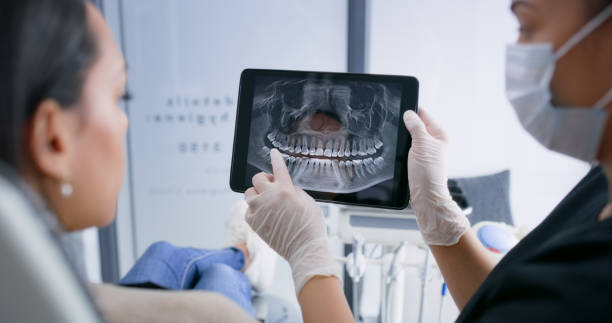
One call tells you exactly when and where you can be seen for this.
+1-866-227-2801
Not every stain lifts the same way, which is why a real whitening consult starts by figuring out whether discoloration sits on the surface or deeper in the tooth. Extrinsic staining from food and drink is typically the fastest kind to lift with professional treatment. Intrinsic staining — from certain medications or old trauma — sometimes needs veneers or bonding instead of whitening alone.
In-office treatment uses a stronger gel than anything sold over the counter, applied under supervision to protect your gums. A custom take-home tray is commonly provided afterward for touch-ups down the road.
Diet matters just as much after whitening as the treatment itself — coffee, wine, and tobacco start re-staining enamel within days if habits don't change. A touch-up tray a few times a year is usually enough to maintain the brighter shade long-term.
Higher peroxide concentration than store-bought kits, applied under supervision for safety. A provider calibrates strength and timing rather than applying a one-size-fits-all treatment.
A protective barrier shields gums from the whitening gel for the entire session. The barrier is checked and reapplied as needed rather than set once and forgotten.
Most patients see a noticeable shade change after a single in-office appointment. Before-and-after shade comparisons are typically taken so the change is measurable, not just a guess.
Fitted trays extend your results well past the initial in-office treatment. A proper fit keeps the gel on the teeth and off the gums during at-home touch-ups.
Whatever the specifics of your case, the specialist we route you to has handled it before.
A single appointment using clinical-strength gel activated under controlled light.
Fitted trays and prescription-strength gel maintain or extend results at home.
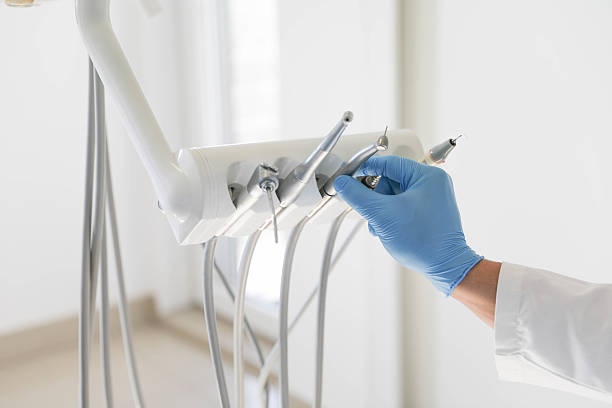
Surface stains and deeper intrinsic discoloration are treated differently — your provider identifies which you have first.
A modified protocol accommodates patients prone to sensitivity without skipping treatment.
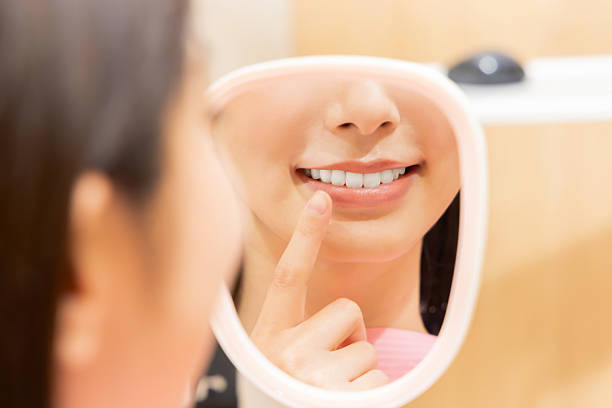
Checks for cavities or exposed roots that whitening gel could otherwise irritate.
For stains whitening can't fully lift, bonding selectively covers what remains.
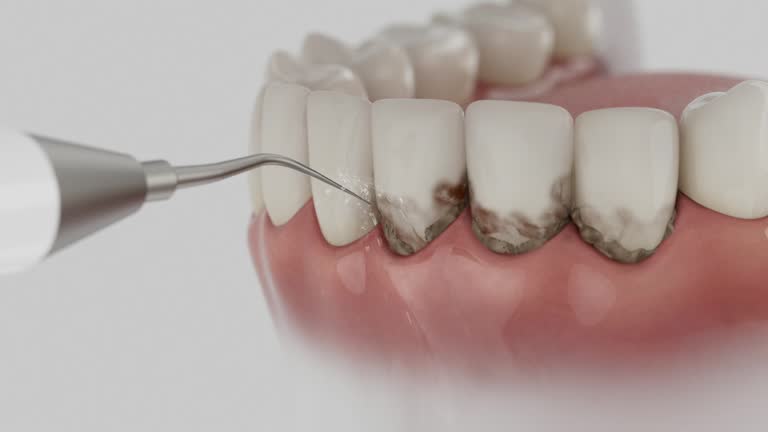
You describe what's going on in a minute or two; no automated menu to fight through first.
We match you with a nearby specialist experienced in this exact procedure and check real-time openings.
The specialist examines your case, often with same-visit imaging, and gives you a cost estimate before starting anything.
You leave with the issue addressed and next steps already scheduled if needed.
"Called and they were upfront that my usual office was booked, then found me somewhere open the same week."
"Didn't have to wait weeks like my old dentist. Got routed straight to a specialist who knew what to do."
"Was honest that the closest office was full and got me into a nearby one instead of leaving me stuck."
Most patients see a clear difference, with the exact change depending on stain type.
Some temporary sensitivity is common and usually fades within a day or two.
Results commonly last six months to two years depending on diet and habits like coffee or smoking.
In-office whitening is supervised specifically to protect your gums, unlike unsupervised drugstore kits.
Whitening isn't recommended during pregnancy, and certain medication-related stains may need a different approach.
Cost depends on whether you choose in-office treatment, take-home trays, or both, quoted before booking.
Our coverage spans Payette and its surrounding area, matching you with the closest available specialist who's actually open.
Every provider in our ID network carries an active, checked license.
A short call is all it takes to get this on the calendar this week.
Call +1-866-227-2801 Now